“The unicursal path of the labyrinth is what differentiates it and sets it apart as a spiritual tool. The labyrinth does not engage our thinking minds. It invites our intuitive, pattern-seeking, symbolic mind to come forth. It presents us with only one, but profound, choice. To enter a labyrinth is to choose to walk a spiritual path.”
― Dr. Lauren Artress
Labyrinths often are confused with mazes. At a quick glance, they appear similar. Oftentimes a circular journey that appears to trick us as we walk towards the center. Yet there is one differences. Mazes have multiple options one can talk, a small form of choose your own adventure, filled with false pathways and dead-ends. But labyrinths do not trick us, there is only one way in and out.
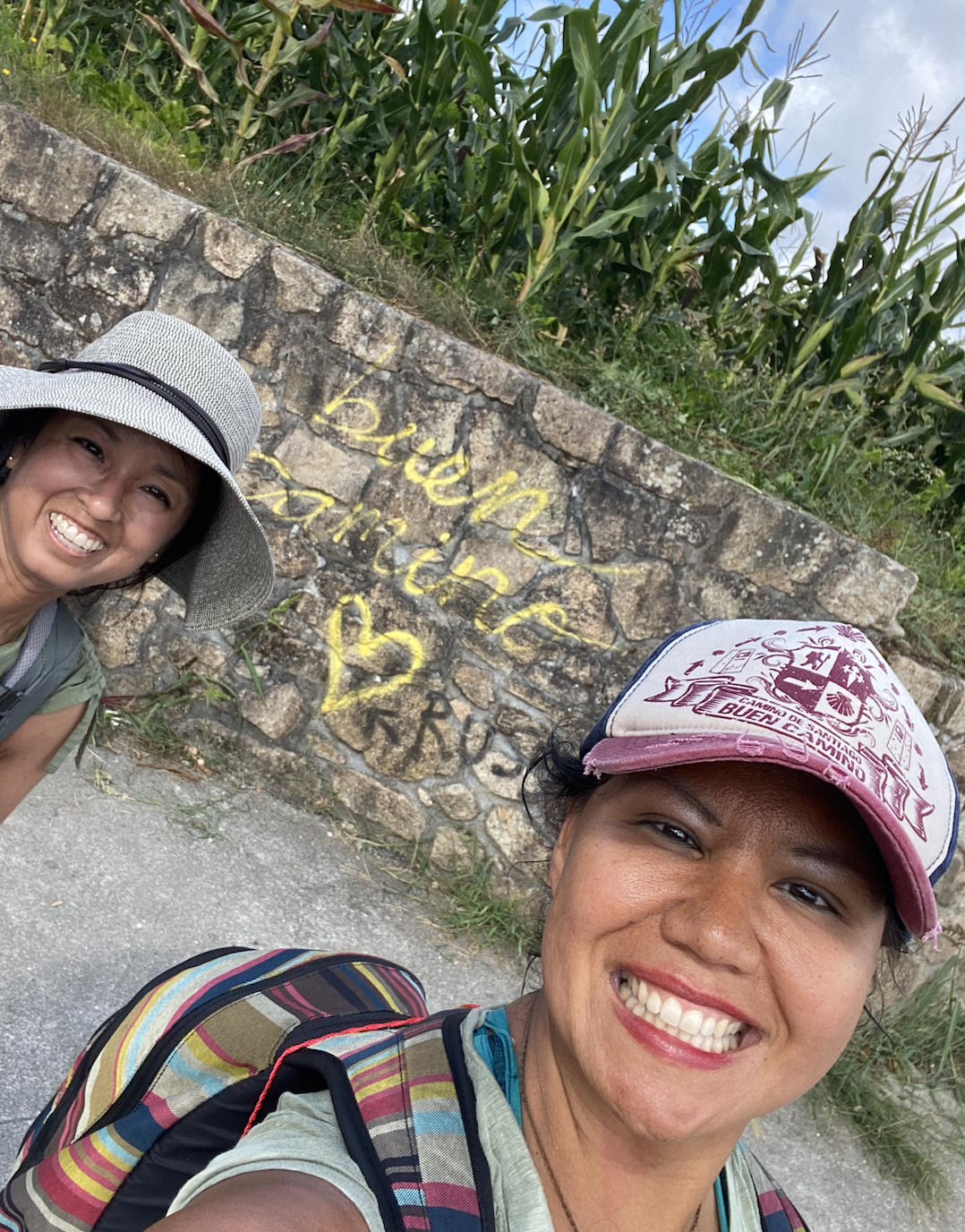
Over the years, I’ve wandered through numerous labyrinths, but inside churches, buildings, and in gardens and retreat centers. Yet, the experience at Chartres Cathedral was profound. I had heard once that the labyrinths, particularly in France during the medieval times served as a metaphorical pilgrimage people could take if they did not have the time or physical strength to take the 500 plus mile walk via Camino de Santiago. This contemplative practice offered a piece of the reflection that could occur.
I was reminded that a pilgrimage begins with intention, often when one leaves the home. Last week, as we waited at Gare Montparnesse for our train track to be displayed to Chartres, we witnessed a staff member arguing with her boss. He didn’t seem to be understanding her as her voice elevated, at one point she screamed and hit the floor. Was it a panic attack, stress induced stress or a dramatic act? We couldn’t tell as a handsome passenger who also was a doctor, offered his help. As the fainting woman was sent away in a mini ambulance golf cart, I wondered had the pilgrimage begun. Each component played a part in the day: the heavy bags we carried, a miscommunication with the uber driver, the short but steep distance we walked from the train station to the hotel? A line of police vans drove by and small tents were getting set up. I couldn’t help but wonder what type of celebration was occurring or who was here. We queried our receptionist, who stated simply that someone important was in town. Thoughts immediately went to political importance. When I inquired if it was the president, she nodded her head, not wanting to verbally share who was here but not denying it either.
And so the pilgrimage really did begun. Each persona we met with during the day served as an archetype for the journey: the victim, the doctor, the police, the staff, and the president. We were prompt to arrive at Chartres Cathedral, as we were aware the labyrinth is only open for several hours on Fridays during some parts of the year. But as we walked to the Cathedral, we noticed crowds of students gathered outside and inside. Was it a massive field trip or something else? I later learned it was a photo op with President Macron. We were so in the zone of the moment that we didn’t seem to absorb he was in the Cathedral the same time as us. The labyrinth appeared before us, uncovered from the chairs that usually sit on top of it. I was curious how this labyrinth experience would compare to others I have done in the world.
One is to think of an intention as you enter a labyrinth. And so I did. As I meandered from one side of it to the other I reflected on this intention. Volunteers guarded the labyrinth, from tourists who stumbled unknowingly onto the labyrinth. They ensured that all who would grace the space offered their respect to what lay underneath them. If they were not going to walk it appropriately, they would have to leave the labyrinth and walk around the perimeter. The protector archetype was present, as was the fool, and the student. And as I walked the labyrinth, I would repeat my mantra. Pause. Repeat. Many of us were spread out, but as we entered the final stretch of the labyrinth, there was a bit of a human traffic jam. I wondered if I would feel frustrated with so many people there. Were people taking it seriously or was it just another quick tourist photo op?
But something shifted and changed. I dropped into this sentimental place observing my fellow pilgrims. And then I couldn’t stop crying for the beauty of the moment. This entire day was a metaphor of life. All the characters and interactions, and in the symbolism of this walk we were each headed for a moment in the center. The Chartres labyrinth is special in there are 6 petals in the center, for this particular walk, unspoken rules were created were our specific group. We were all strangers from different parts of the world momentarily gathered to embark on this contemplative tradition. As we walked into the entryway to the center, each of us would step to the left, as the person in the center stepped out. Some people had their hands to their hearts, bellies, both, or even palms open, ready to receive. As the person stood in the center, they faced the altar and infamous stained glass windows. It was as if it was there moment to shine, receive our quiet intentions and prayers, before stepping out. I couldn’t help but compare this specific part to one’s death, offerings, acknowledgement and prayers are made for a moment in time in one’s honor before you step out of the labyrinth.

Each time you walk the labyrinth it’s different but this specific moment will be etched in my mind. It served as a powerful reminder of meeting each part of ourselves on the journey of life. And having a moment of grace before one steps out of their path on earth. What are your stepping into? What are you leaving behind?
And so I challenge you to find a local labyrinth, make one, engage in a finger labyrinth and notice what metaphors arise on the journey.
 It Only Takes A Smile